
Vinstronics F Series · Ultra Flexible Coax
Ultra Flexible RF Cable
Engineered for dynamic RF routing in physically constrained environments.
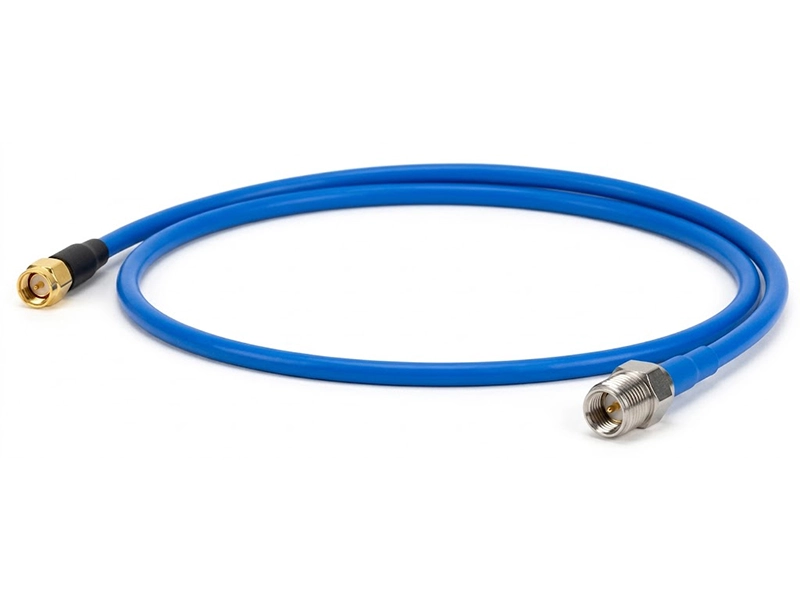
The F Series prioritizes mechanical compliance and stress-free handling. Utilizing high-strand-count silver-plated copper conductors and supple PUR jackets, this family eliminates springback effects that strain delicate board-level interfaces and solder joints in dense packaging.
Mechanical Pliability over Static Performance
The F Series is a 50Ω transmission platform where routing softness and multi-axis flex life are the primary design filters. It enables the tightest possible bend radii without inducing mechanical stress or premature failure in moving subsystems.
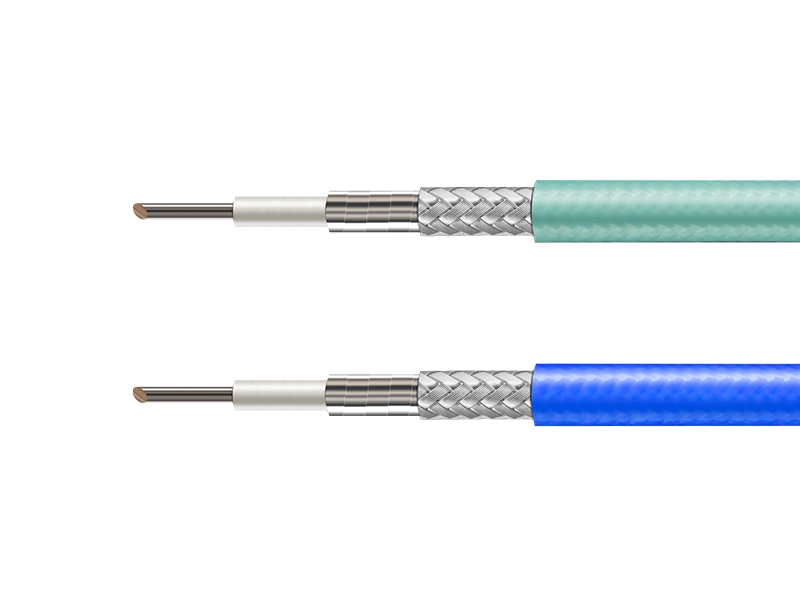
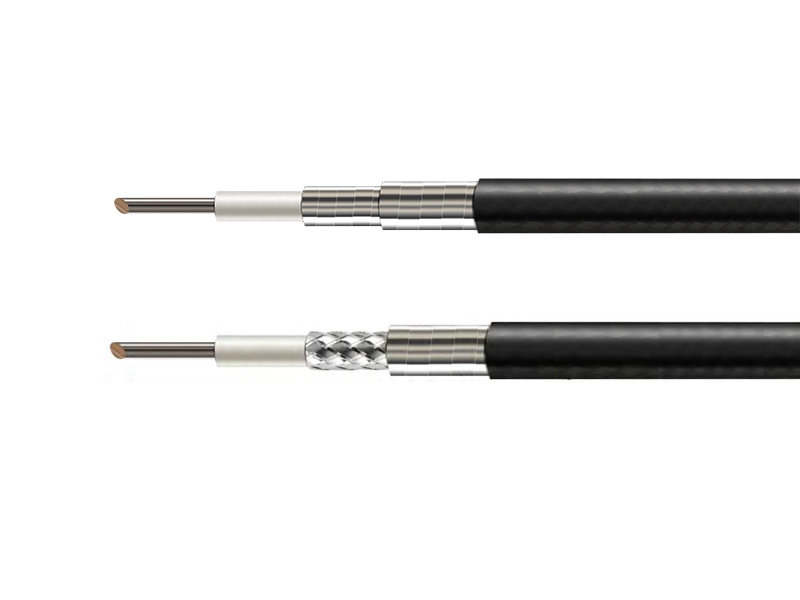
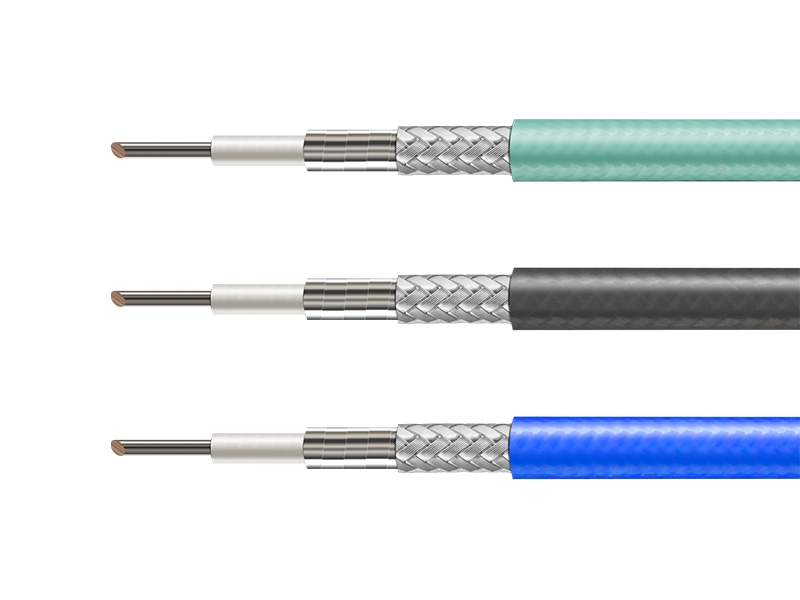
Unlike standard cables utilizing rigid shielding, Vinstronics F Series integrates specialized high-strand-density conductors and low-modulus Polyurethane (PUR) jackets. This architecture ensures shielding integrity remains stable during continuous movement or high-vibration conditions.
Specify for robotic arms, articulating hinges, or micro-system internal routing where cable stiffness compromises interconnect reliability.
Zero Mechanical Memory
The cable drapes into position without springback, preventing stress on PCB connectors and mounting pads.
Flex Fatigue Endurance
Engineered for millions of motion cycles in articulating joints and robotic internal links.
Minimal Bend Footprint
Static bend radii down to 18mm (F36), allowing for exceptionally tight routing in dense cabinets.
Shielding Stability
Maintains >90 dB shielding efficiency and stable impedance through complex multi-axis paths.
Performance Overview
Attenuation data and mechanical limits verified against F-Series datasheets.
Attenuation Comparison (dB/100m)
F36 - Micro-Routing
Smallest footprint (3.6mm OD). Optimal for high-frequency (40 GHz) internal module links.
F50 / F60 - Dynamic Control
Balanced platforms for automated equipment requiring high flex life up to 26.5 GHz.
F80 - Lower Loss Flex
Prioritizes signal margin while retaining significant mechanical compliance over standard coax.
| Model | OD (mm) | Max Freq. | Atten. @ 1 GHz | Atten. @ 10 GHz | Vp | Static Bend | Dynamic Bend | Temp Range |
|---|---|---|---|---|---|---|---|---|
| F36 | 3.60 | 40 GHz | 51.9 dB | 176.4 dB | 76% | 18 mm | 36 mm | -55 ~ +85°C |
| F50 | 5.00 | 26.5 GHz | 38.5 dB | 139.0 dB | 76% | 25 mm | 50 mm | -55 ~ +85°C |
| F60 | 6.00 | 26.5 GHz | 28.7 dB | 97.1 dB | 76% | 30 mm | 60 mm | -55 ~ +85°C |
| F80 | 8.00 | 18 GHz | 18.2 dB | 69.8 dB | 76% | 40 mm | 80 mm | -55 ~ +85°C |
Data represents raw cable specifications. Terminated assembly performance depends on interface selection.
Multi-Axis Dynamic Interconnects

Robotic Articulation
Engineered for RF paths alongside multi-axis actuators requiring sustained durability across millions of flex cycles.
- Key Priority Flex Fatigue Resistance
High-Density Routing
Small-form-factor assemblies for dense PCB stackups where zero mechanical memory eliminates board-level stress.
- Key Priority Zero Mechanical Memory

Pliable Test Assemblies
Supple bench leads that remain in position without springback, enhancing repeatability in laboratory measurement environments.
- Key Priority Mechanical Suppleness
Technical Selection FAQ
How is "Ultra-Flexible" defined?
Achievement of minimum bend resistance and zero mechanical memory through specialized high-strand conductors and low-modulus PUR jackets.
What is Zero Mechanical Memory?
The cable remains in its routed position without exerting outward springback pressure on connectors or equipment mounting points.
PUR vs. FEP: Selecting the jacket?
Specify PUR (F-Series) for dynamic movement and mechanical compliance. Use FEP (VXL) for high-temperature static environments (+165°C).
Does dynamic movement impact VSWR?
F-Series maintain shielding effectiveness and VSWR stability while in motion, provided the dynamic bend radius limits are respected.

Discuss Your Motion Requirement
Our engineering team helps determine the ideal F-Series platform for articulating systems, robotic links, or dense micro-packaging.
- 01 Identify routing footprint & bend radii.
- 02 Confirm frequency & allowable attenuation.
- 03 Specify expected motion (Static vs. Dynamic).