
RF Rotary Joints
Single-channel RF paths through continuous rotation
Published single-channel RF rotary joints for maintaining RF and microwave signal continuity between stationary and rotating assemblies, with SMA, 2.92 mm, 2.4 mm and 1.85 mm interface options for antenna positioners, rotating test fixtures and dynamic measurement platforms.
Fast inputs: frequency • interface • channel count • rotation speed • torque/life target • mounting envelope.

Start by frequency and interface
For published single-channel models, choose the interface class that matches your frequency ceiling and mating system first.
Note: rotational speed, torque, service life, VSWR and insertion-loss variation are model-dependent and should be checked with the mechanical assembly.
Find the right rotary RF path fast
The current published rotary joint models focus on single-channel coaxial RF paths. Choose by interface and frequency first, then confirm motion, power and mounting constraints before quotation.
18 GHz SMA Rotary Joint
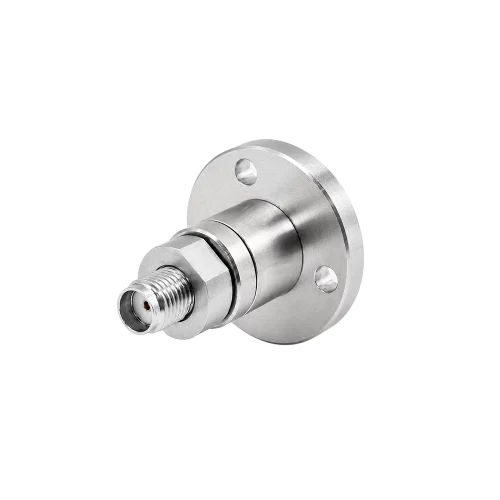
- •Practical starting point for rotating RF test fixtures
- •SMA female single-channel signal path
- •Good fit for 18 GHz rotating RF assemblies
40 GHz 2.92 mm Rotary Joint
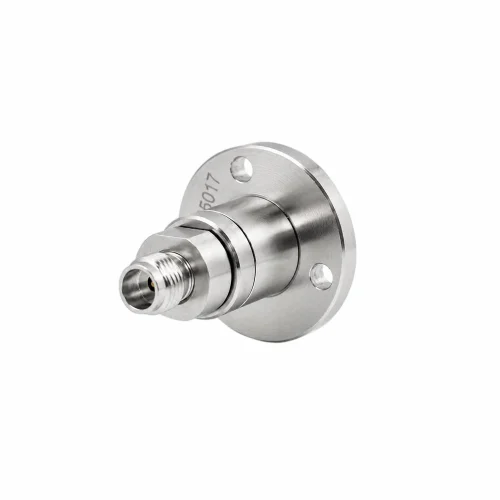
- •Microwave rotary path for 40 GHz test systems
- •2.92 mm interface for precision test setups
- •Useful for antenna-positioner and rotating fixture designs
50 GHz 2.4 mm Rotary Joint
- •Compact 50 GHz path for mmWave motion systems
- •2.4 mm interface for high-frequency rotating fixtures
- •For compact mmWave layouts using 2.4 mm mating systems
65 GHz 1.85 mm Rotary Joint
- •Published high-frequency option up to 65 GHz
- •1.85 mm interface for 65 GHz-class systems
- •For advanced mmWave fixtures and measurement platforms
What should be confirmed before choosing an RF rotary joint?Expand to check the core inputs needed for accurate model matching.View checklist ↓
Frequently Asked Questions
How do I choose between SMA, 2.92 mm, 2.4 mm and 1.85 mm RF rotary joints?
Start from the required frequency range and mating interface. SMA is a practical starting point for 18 GHz RF test fixtures, 2.92 mm supports 40 GHz microwave rotation, 2.4 mm is used for compact 50 GHz paths, and 1.85 mm is the higher-frequency published option up to 65 GHz.
Are these RF rotary joints single-channel or multi-channel?
The published models on this page focus on single-channel coaxial RF rotary joints. Dual-channel, multi-channel, waveguide or RF plus slip-ring integration should be reviewed as an engineering request.
What specifications matter most for an RF rotary joint?
Frequency range, interface, VSWR, insertion loss, variation over rotation, power handling, torque, rotation speed, service life, mounting envelope and operating environment should be reviewed together.
What is the difference between an RF rotary joint and a slip ring?
An RF rotary joint is used for RF or microwave signal continuity through rotation. A slip ring is typically used for electrical power or low-frequency control signals. Hybrid requirements can combine RF rotary paths and slip-ring functions.
Can Vinstronics support custom RF rotary joint configurations?
Yes. If the published single-channel models do not fit the project, send the required frequency range, channel count, connector gender, interface orientation, speed, torque, life target and mounting envelope for engineering review.
What information is needed for an RF rotary joint quotation?
Provide frequency range, connector interface, connector gender, channel count, rotation speed, expected service life, power level, mounting envelope, environmental requirements and drawings or photos of the rotating assembly.
Ready to shortlist the right RF rotary joint?
Share frequency range, connector interface, connector gender, channel count, rotation speed, torque/life target and mounting envelope. We’ll help match a published model or review a custom rotary joint requirement.