
RF Coaxial Cable Families
Compare and select from six distinct transmission architectures. Find the optimal balance of physical flexibility and signal integrity for your specific routing environment.

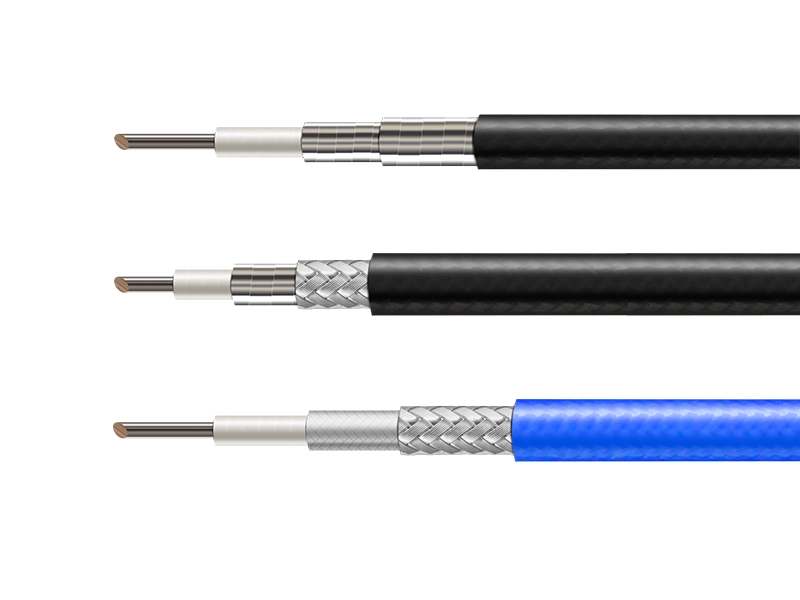
Flexible RF Coaxial Cables
For paths requiring movement tolerance and continuous installation flexibility.
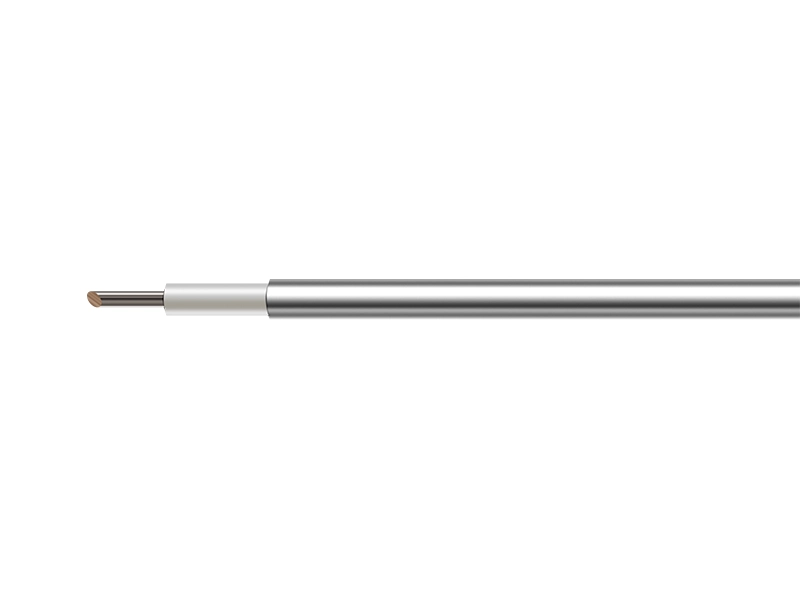
Semi-Rigid Coaxial Cables
For permanent RF paths prioritizing maximum shielding and stable formed geometry.
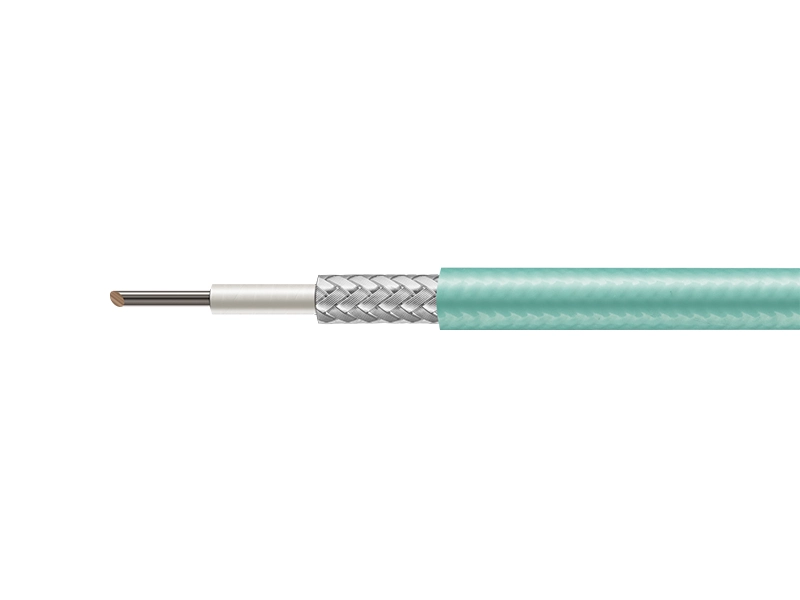
Semi-Flexible Cables
For tight chassis routing needing the performance of semi-rigid without permanent tooling.

Precision Test Cables
For phase-sensitive VNA calibration and environments requiring repeated handling.
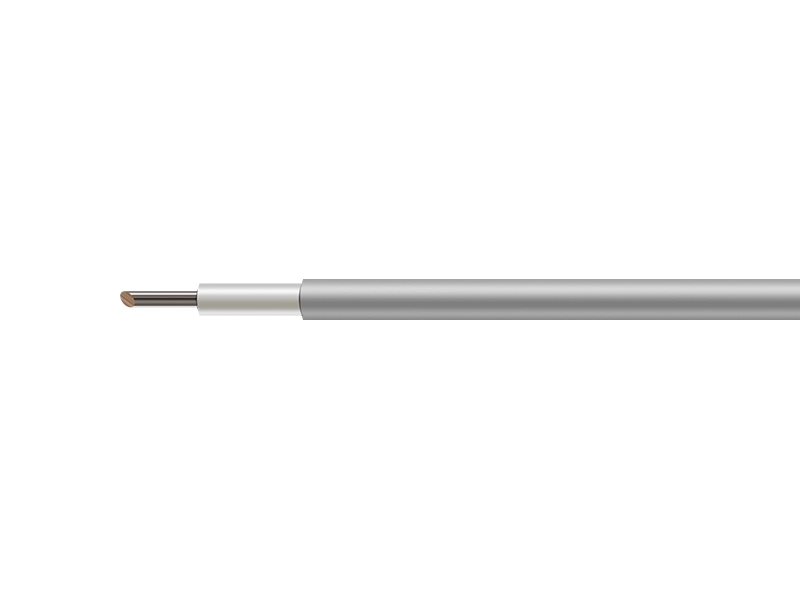
Superconducting Cables
For extreme low-temperature quantum computing and cryogenic interconnect environments.
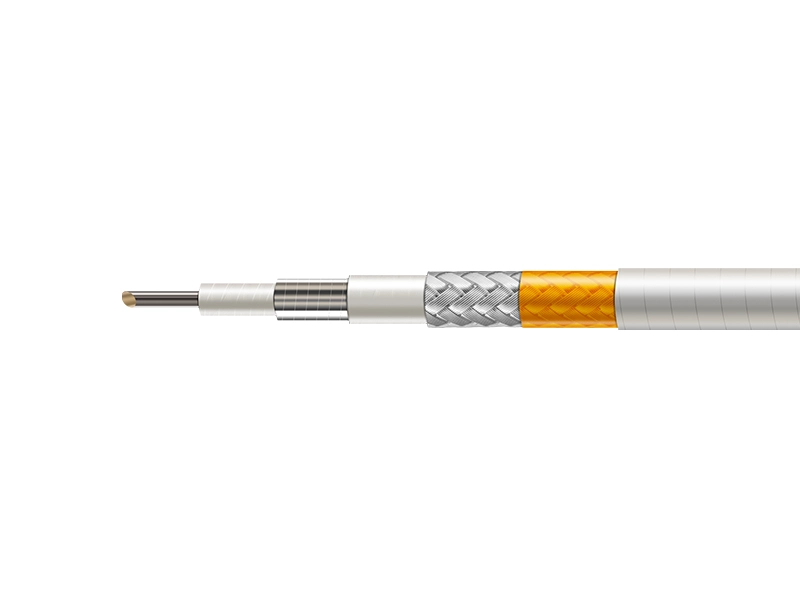
High-Temperature Cables
For extreme-heat routing where mechanical and electrical stability must be maintained.
Architecture Decision Guide
Flexible vs. Semi-Rigid Cables
Core Difference: Semi-rigid maximizes shielding and minimizes loss, while flexible allows continuous movement.
When to Choose: Select flexible for dynamic lab setups; select semi-rigid for fixed internal modules.
Semi-Rigid vs. Semi-Flexible Cables
Core Difference: Semi-flexible delivers near-equivalent performance to semi-rigid but can be bent by hand without permanent tooling.
When to Choose: Select semi-rigid for high-volume permanent production; select semi-flexible for prototyping and tight chassis routing.
Standard Flexible vs. Precision Test Cables
Core Difference: Precision test cables add ruggedized armoring to maintain phase stability during constant flexure.
When to Choose: Select standard for basic cabinet interconnects; select precision test for daily VNA calibration.
Standard Cables vs. Extreme Environment Cables
Core Difference: Extreme environment cables utilize specialized alloys and dielectrics to survive where standard PTFE melts or fails.
When to Choose: Select High-Temp for engine exhaust zones; select Superconducting for cryogenic quantum systems.
Require a terminated RF cable assembly?
We supply fully tested, phase-matched assemblies built to your exact routing specifications.
Frequently Asked Questions
What is an RF coaxial cable? +
It is a shielded transmission line engineered to route high-frequency radio signals with minimal loss. It relies on strict impedance control to maintain electrical signal integrity.
How do I choose the right RF cable family? +
Start by identifying your physical routing constraints, such as whether the cable must flex or remain fixed. Then filter by your maximum operating frequency and environmental conditions.
How is flexible cable different from semi-rigid? +
Flexible cable uses a braided shield to allow continuous movement and easy routing. Semi-rigid uses a solid outer conductor for superior shielding but cannot be repeatedly bent.
What is the difference between semi-rigid and semi-flexible cable? +
Semi-rigid requires specialized tooling to create permanent bends. Semi-flexible (conformable) uses a tin-filled braid, allowing it to be shaped by hand while retaining its formed shape.
When should I choose a precision test cable? +
Choose it for lab environments requiring constant mating and flexing. Its specialized armoring ensures electrical phase stability under physical stress.
What information should I provide for a quote? +
Provide the operating frequency, preferred cable family, connector types, and overall length. Include any specific phase-matching or insertion loss requirements.
Need Help Choosing the Right Cable Family?
Connect with a Vinstronics engineer to verify your routing specifications or request a custom prototype.