
Cryogenic Microwave Components
Non-Magnetic RF from 10 mK to 300 K
Non-magnetic cryogenic RF components for dilution refrigerators: connectors, attenuators, terminations, and low thermal-load cable assemblies. Designed for stable impedance and repeatable performance across cryostat stages. 1.85 mm / SMPM support 65 GHz-class configurations (by spec).
Fast quote inputs: stage map • frequency • interface • type • qty/lead time.
Engineering for the mK Regime
Cryogenic RF is a trade-space: thermal budget, magnetic cleanliness, and repeatability. Components must keep impedance and loss predictable from room temperature to mK stages.
Vinstronics focuses on cryo-qualified materials, low-mag constructions, and thermalization design so you can scale wiring density with calibration confidence.
Explore Cryogenic Product Families

Connectors
Interfaces selected to match band: SMA / 2.92 mm for lower bands; 1.85 mm & SMPM for 65 GHz-class (configuration dependent).
Explore →
Attenuators
Thermalized attenuation stages to suppress thermal noise with controlled heat load.
Explore →
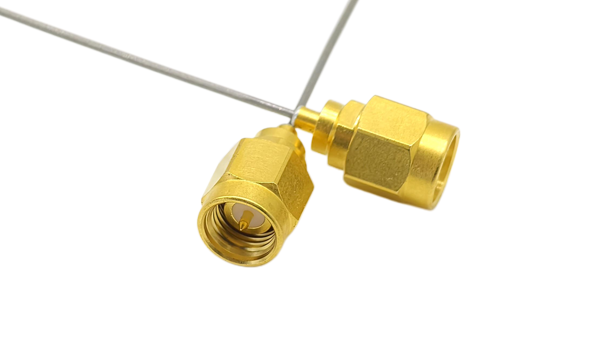
Cable Assemblies
Low thermal-load assemblies tailored to stage maps and routing constraints.
Explore →Engineering Signals
Capability Matrix (Typical)
Frequently Asked Questions
What are cryogenic microwave components used for?
They maintain stable, low-noise RF signal chains at cryogenic temperatures (mK to K stages), supporting quantum control/readout, cryogenic receivers, and superconducting test systems.
Which interface types are commonly used in cryogenic platforms?
Common cryogenic interconnect interfaces include SMA, 2.92 mm, 1.85 mm, and SMPM, selected based on wiring density, frequency range, and mechanical constraints.
What should I include in an inquiry email for a fast quote?
Include temperature stage(s), frequency range, interface, component type (connector/attenuator/termination/cable), attenuation or cable length if applicable, and quantity/lead time.
How do you reduce thermal leak compared with copper lines?
Cryo-qualified materials and thermalization geometries can reduce heat leak while preserving impedance and RF performance, helping maintain refrigeration thermal budget.
Ready to Configure Your Cryogenic Setup?
Submit the form with stage map + frequency + interface — we’ll align configuration quickly.