
Cryogenic RF Attenuators
Engineered for low-temperature microwave lines, dilution refrigerator stages and quantum measurement systems, Vinstronics cryogenic RF attenuators help build controlled attenuation plans with practical SMA, SMP and 2.92 mm starting points.
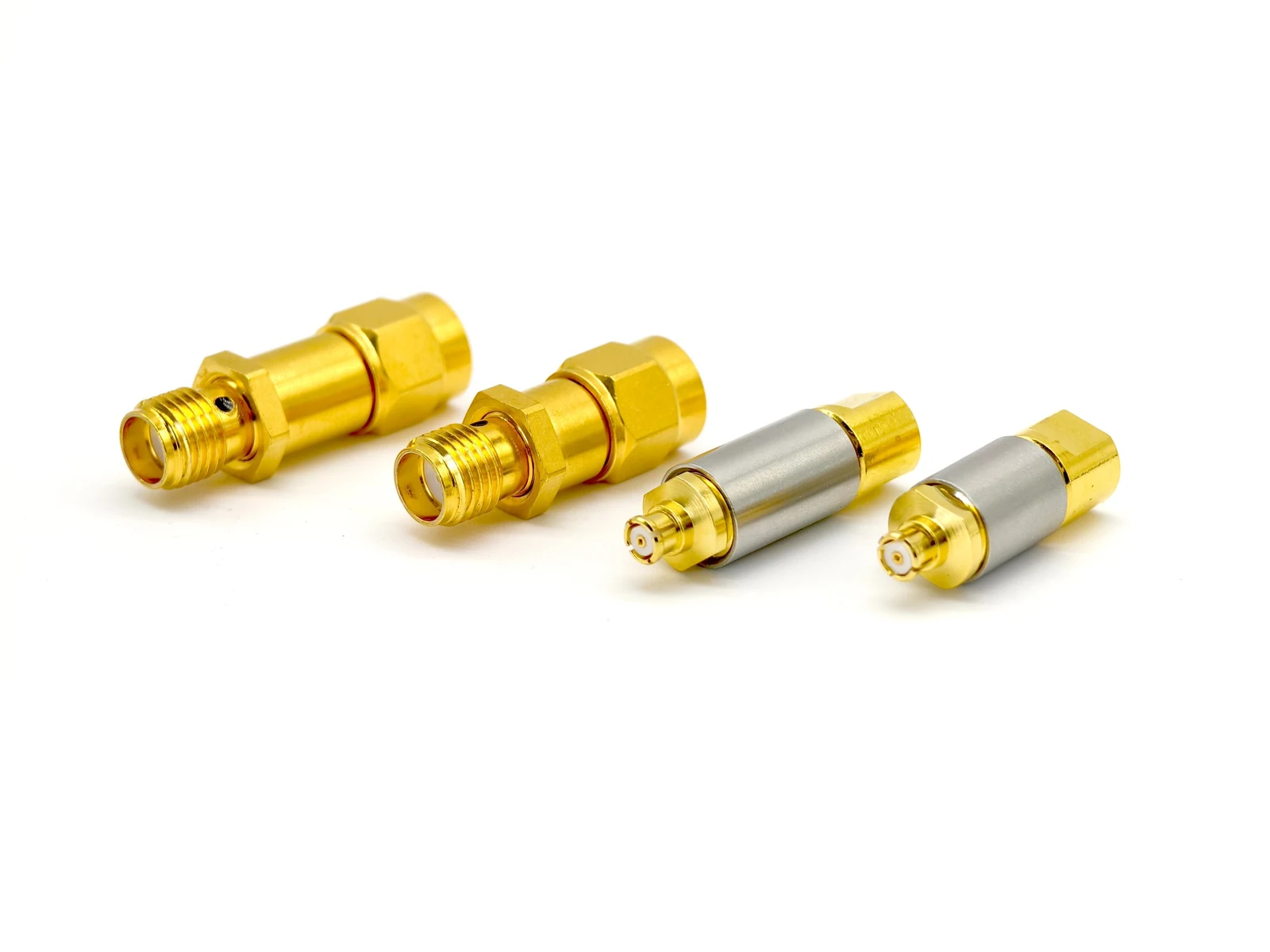
What matters first
Start from the low-temperature system architecture, then narrow the interface family, attenuation value and review information needed for accurate model matching.
Low-temperature line planning
Define the cryostat stage map, target attenuation plan and intended role in the microwave chain.
- Dilution refrigerator input lines
- Quantum control and readout paths
- Cryostat microwave test setups
Choose the right connector format
Interface family should match the installation logic of the system, not just the frequency label.
- SMA for threaded cryogenic wiring
- SMP for compact push-on layouts
- 2.92 mm for higher-frequency paths
Confirm fit before quotation
Mechanical format, frequency target, dB list and quantity should be checked together for a faster recommendation.
- Stage map or attenuation distribution
- Interface and mating details
- Frequency range and package constraints
Product family starting points
Use the three interface families below as practical starting points. Final model selection should be confirmed by dB value, stage location, interface, frequency range and installation constraints.
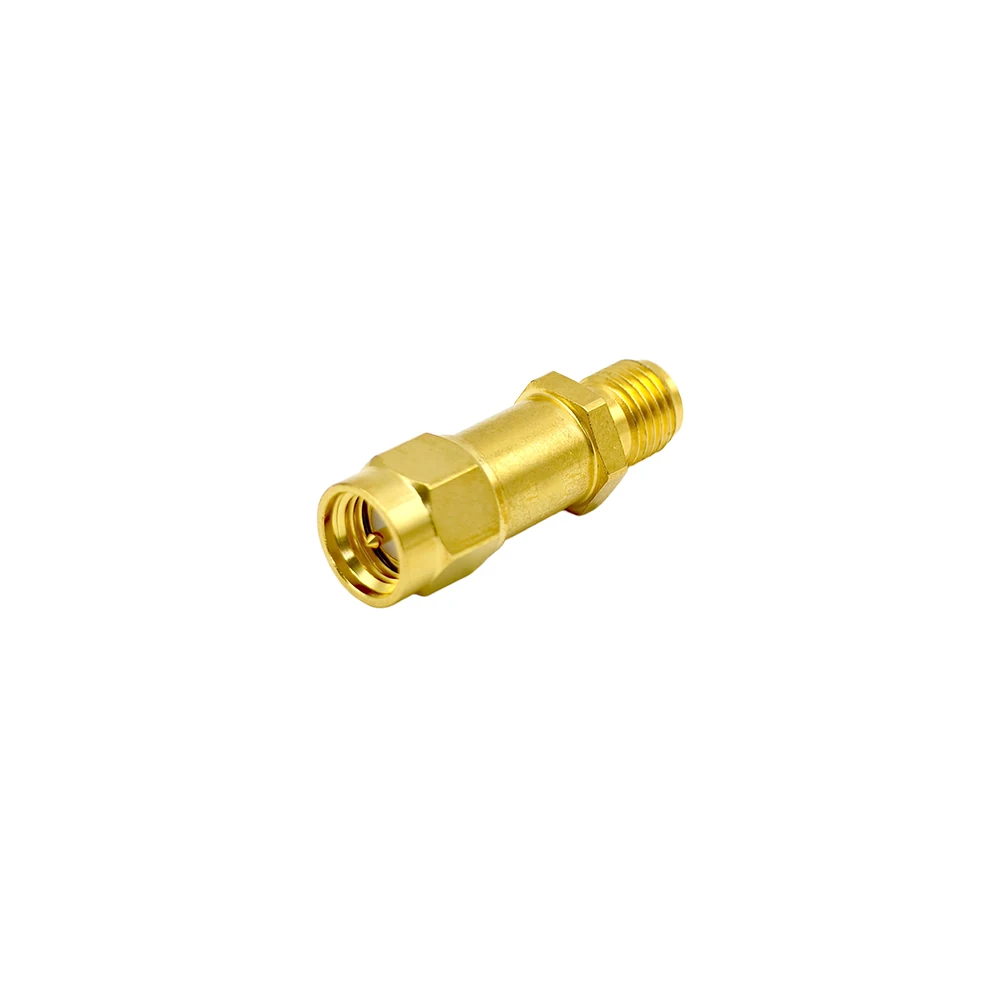
SMA Cryogenic Attenuators
For threaded cryogenic RF lines where secure mating and serviceable installation matter.
- Well suited for threaded cryogenic line assemblies
- Useful for stage-by-stage attenuation planning
- Good fit for quantum and cryostat RF setups
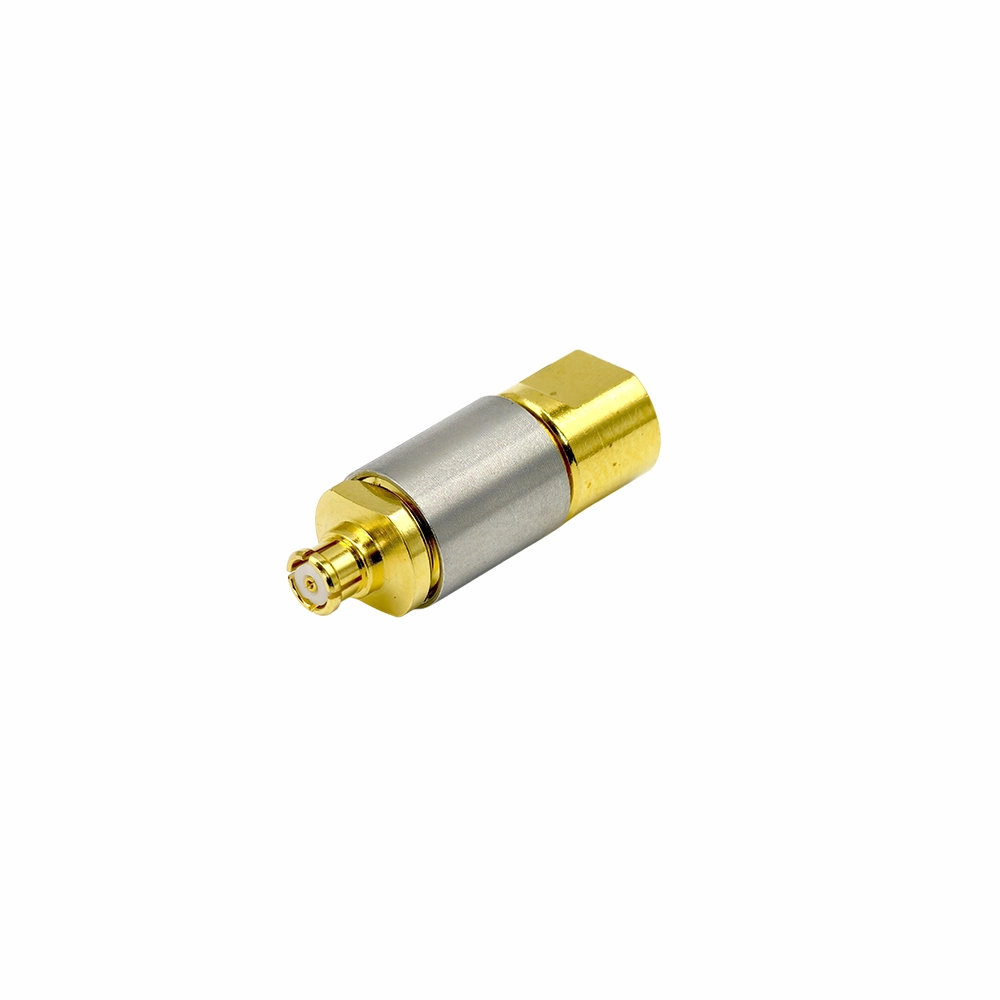
SMP Cryogenic Attenuators
For compact cryogenic interconnect layouts where push-on mating and space efficiency are priorities.
- Useful for compact stage wiring and denser layouts
- Supports lower-profile cryogenic assemblies
- Good when serviceability and compactness are priorities
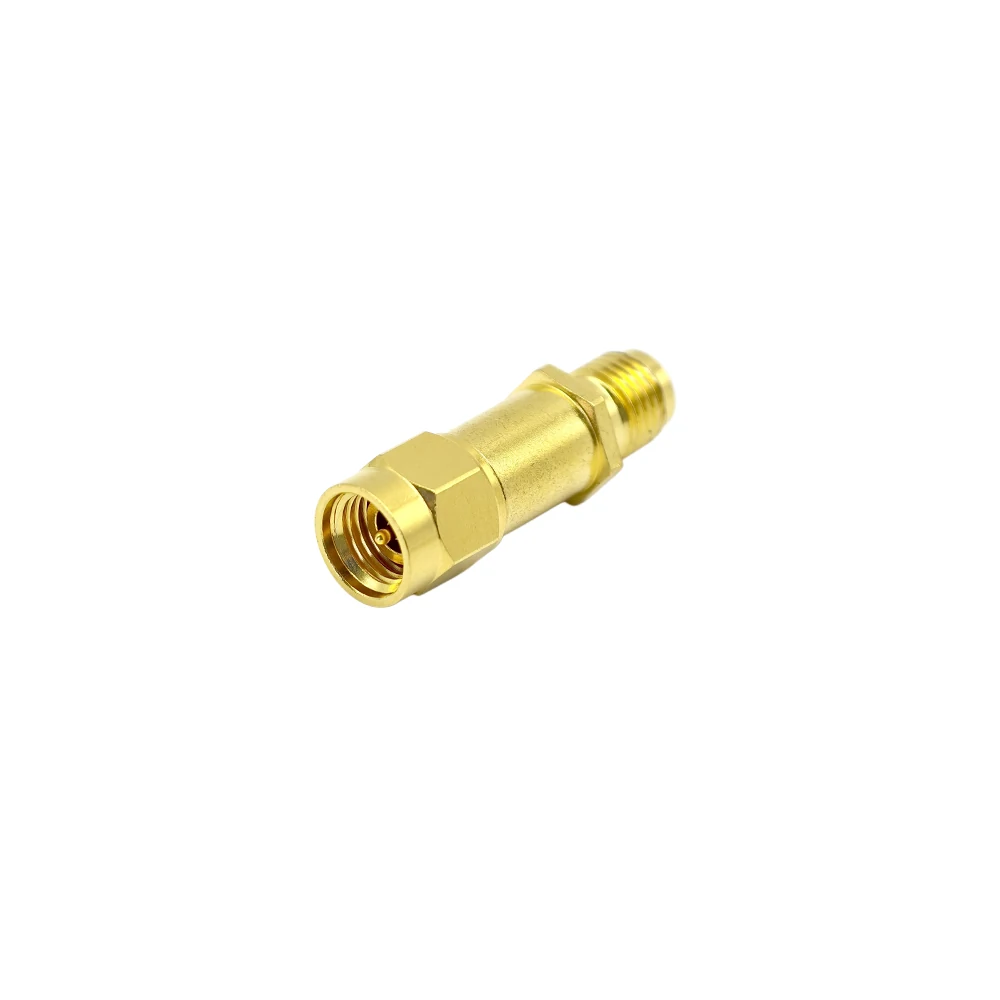
2.92 mm Cryogenic Attenuators
For higher-frequency cryogenic microwave paths where expanded bandwidth is a key selection driver.
- Published options up to 40 GHz
- Suitable for higher-frequency low-temperature lines
- Useful when bandwidth is a key selection driver
Browse the latest published cryogenic attenuator models, or send your stage map and attenuation plan for engineering review.
How to specify a cryogenic attenuator faster
Clear system inputs help shorten the engineering review cycle and reduce mismatches in dB value, interface, frequency class or mounting format.
Stage map
Identify the cryostat stage or low-temperature position where the attenuator will be installed.
dB plan
Confirm the attenuation value or the distribution across multiple stages, whether 0, 3, 6, 10, 20 or 30 dB.
Interface & frequency
Provide the connector family, mating details and the target frequency range for the RF path.
Mounting constraints
Share available space, quantity, lead-time expectation and any drawing or photo if the layout is compact.
System fit and typical use cases
Cryogenic attenuator selection is not only about dB values. Thermal path, stage position, mechanical repeatability and interface logic also matter.
What to review in low-temperature systems
- Thermalization strategy and intended stage location
- Noise-budget planning along the microwave line
- Mechanical consistency through cool-down and warm-up cycles
- Interface compatibility with the mating cable or component
Where these products are typically used
- Dilution refrigerator input chains
- Quantum control and readout microwave lines
- Cryostat RF test setups and lab low-temperature platforms
- Stage-based thermalized attenuation planning in compact systems
Selection reference
Use this table to narrow the first product family before sending your stage map, attenuation plan and mechanical constraints for review.
| If you need | Recommended starting point | Best for | Check first | Next step |
|---|---|---|---|---|
| Threaded cryogenic RF line | SMA cryogenic attenuator | Dilution refrigerator and common cryostat wiring | Stage location, dB value and mating connector | View products → |
| Compact push-on interconnect | SMP cryogenic attenuator | Dense low-temperature layouts and compact modules | Retention style, spacing and service access | View products → |
| Higher-frequency low-temp path | 2.92 mm cryogenic attenuator | Bandwidth-driven cryogenic microwave lines | Frequency target and interface compatibility | View products → |
Common selection questions
What are cryogenic RF attenuators used for?
Cryogenic RF attenuators are used in low-temperature microwave lines to set attenuation at selected stages in cryostats, dilution refrigerators and quantum systems.
How do I choose between SMA, SMP and 2.92 mm cryogenic attenuators?
SMA is a common threaded starting point, SMP suits compact push-on layouts, and 2.92 mm is a stronger path when higher frequency support is needed.
How should attenuation values be chosen for a dilution refrigerator?
Start from the noise budget, gain plan, cooling-power limits and stage architecture, then define the intended dB distribution along the microwave line.
What is a 0 dB cryogenic attenuator used for?
A 0 dB option can serve as a through, reference or stage interconnect option. Its role should be reviewed against the RF line architecture and stage plan.
Where should 3 dB, 6 dB, 10 dB, 20 dB or 30 dB attenuators be placed?
Placement is application-specific and depends on the system architecture, heat-load limits, cooling power and the noise-temperature target.
What information is needed for quotation?
Provide stage location, dB value, connector family, frequency range, quantity and any relevant mounting or layout constraints. Drawings or sample photos are helpful for compact layouts.
Engineering support for cryogenic attenuation planning
For dilution refrigerator and low-temperature microwave systems, send the stage map, attenuation plan, interface family and mechanical constraints for faster matching and quotation support.