
Cryogenic Connectors
Non-Magnetic RF down to 10 mK
Engineer-first cryogenic connector families for dilution refrigerators: Cryogenic SMA, SMP, and SSMP — plus special interfaces (1.85 / 2.92 / more) via inquiry. Built for stable impedance, cycle-reliable mating, and low-magnetic options for superconducting environments.
Fast quote inputs: interface • gender • mounting • target frequency • qty/lead time.
Connector families
Choose by interface & band first—then confirm mounting style and stage constraints in the inquiry form.
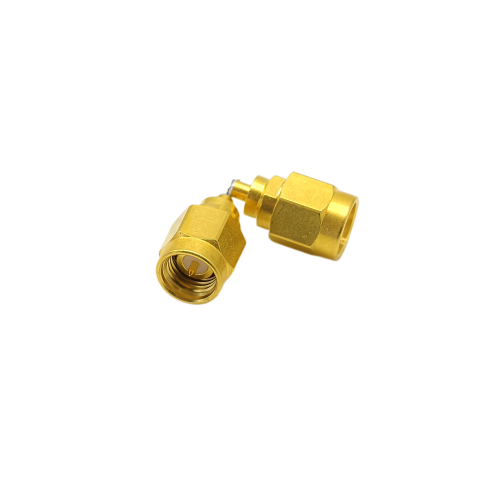
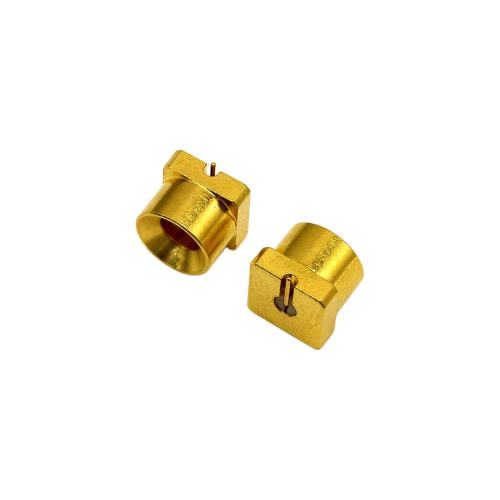
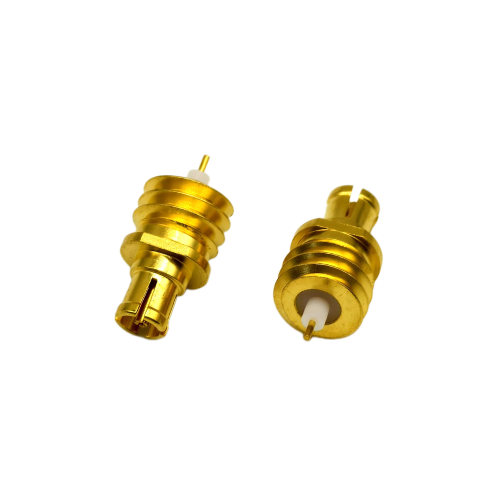
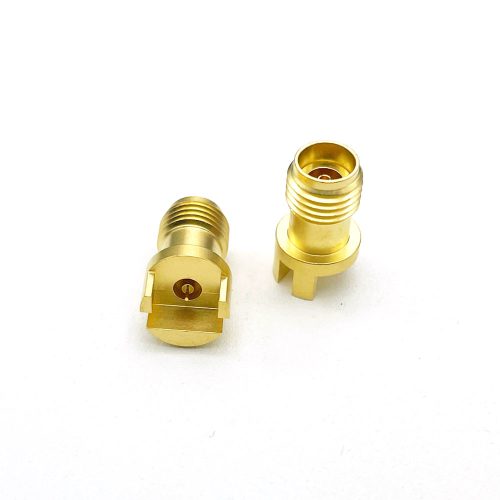
What matters at the mK stage
Three engineering constraints dominate: magnetic cleanliness, thermal cycling mechanics, and impedance stability.
Ni-free option
Nickel is ferromagnetic and may introduce magnetic disturbance in superconducting environments. A Ni-free option uses Au over non-magnetic copper underlayer for magnetically sensitive stages.
Cycle-reliable mating
Metals and PTFE contract differently. Controlled tolerances and compliant contact structures help prevent pin recession and contact drift across repeated cool-downs.
Stable impedance
Geometry stability drives RF performance. Cryo-ready designs preserve matching and repeatability across stage maps.
Interface selection snapshot
A fast mapping between interface, band class, and density—ideal for design reviews.
Materials & construction
A compact engineering sheet—enough for serious buyers to evaluate fit quickly.
Want validation data for your exact condition?
Share interface + mounting + band + stage constraints in the inquiry form.
Technical FAQ
Why do cryogenic connectors often require a Ni-free option?
Nickel is ferromagnetic and may introduce magnetic disturbance in superconducting environments. A Ni-free option (Au over non-magnetic copper underlayer) is used for magnetically sensitive cryogenic stages.
Which interface should I choose for dense cryostat wiring?
SMP and SSMP (SMPM/SSMP) push-on interfaces are commonly used for high-density layouts. Choose based on band, packaging constraints, and mating style (detent/smooth bore).
How do cryogenic connectors stay reliable across thermal cycles?
Cryogenic designs manage CTE mismatch between metals and dielectric (e.g., PTFE) with controlled tolerances and compliant contact structures to maintain stable mating and impedance across repeated cool-downs.
What information helps you quote cryogenic connectors faster?
Provide interface family, gender (M/F), mounting style (bulkhead/flange/PCB), target frequency, stage temperature, and quantity/lead time. A drawing or stage map accelerates alignment.
If the inquiry form is blocked, how can I contact you?
Email sales@vinstronics.com with stage map, frequency range, interface, mounting style, and quantity/lead time.
Ready for your next cool-down?
Submit interface + mounting + band + quantity — we’ll align the right configuration quickly.