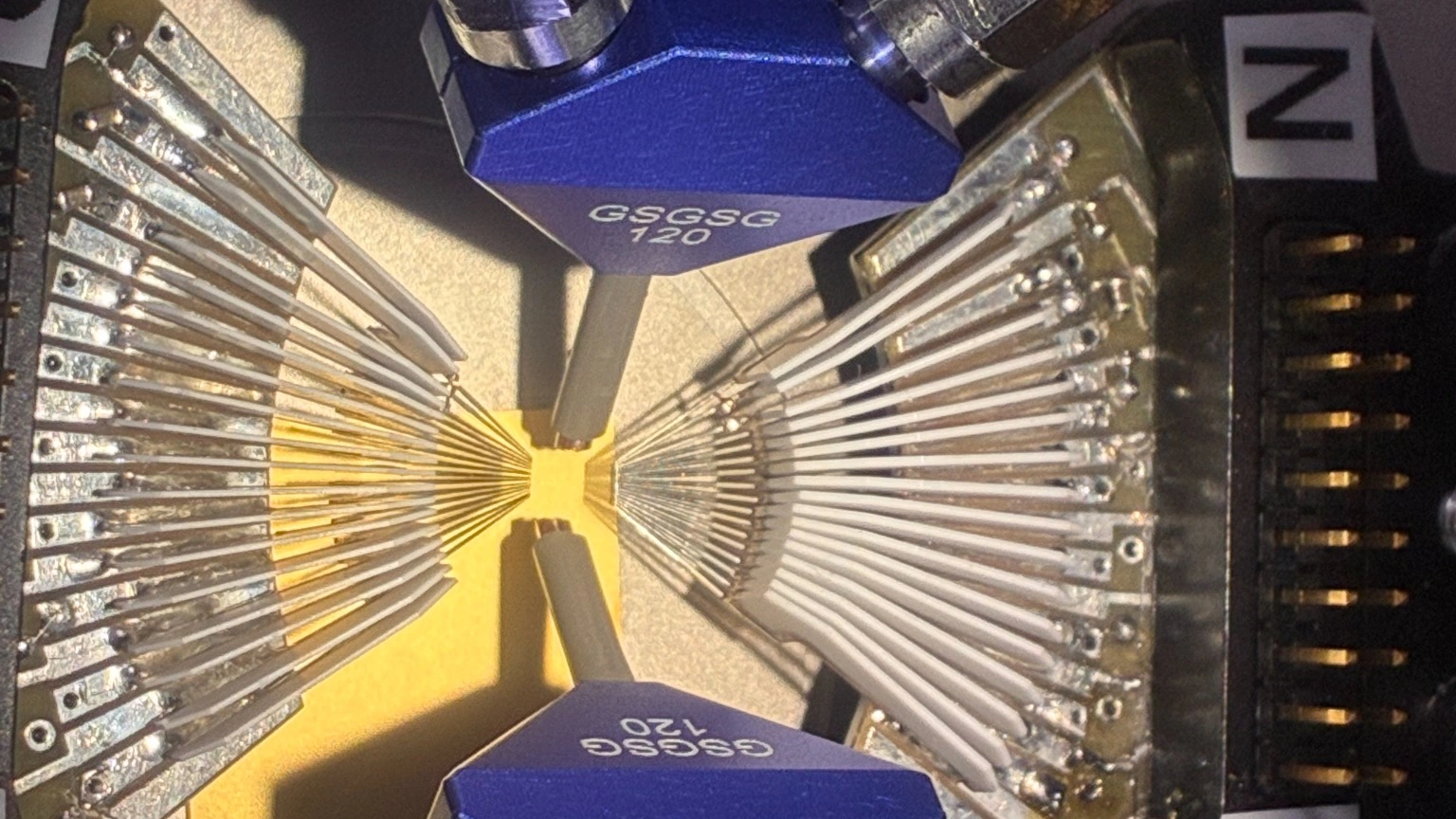
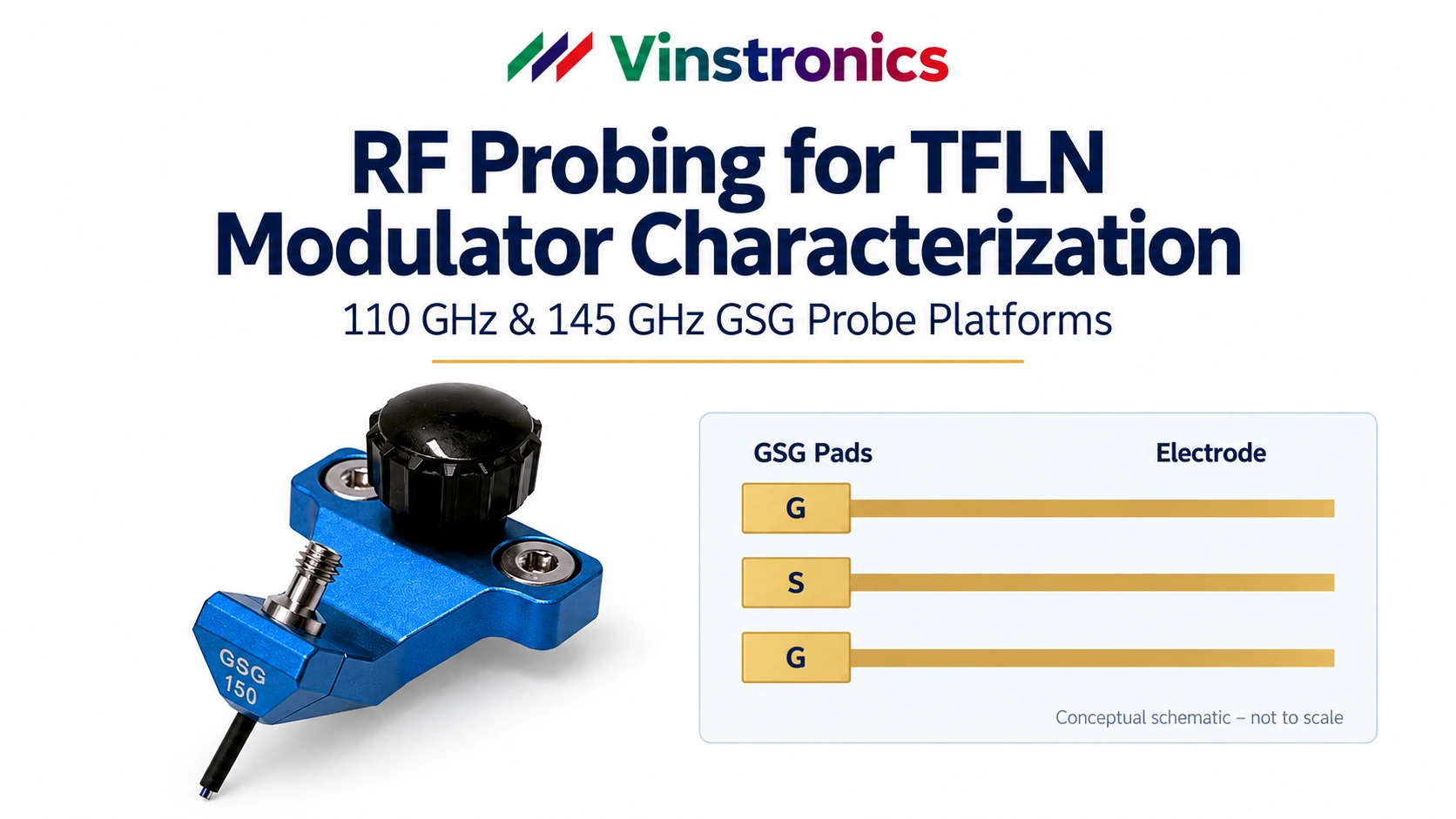
In the heart of every electronic device lies a precision connector, the silent workhorse that ensures seamless communication between components. As technology advances, these connectors become more critical, especially in high-speed and high-reliability applications. This article offers a glimpse into the world of precision connectors, and their indispensable role in today’s electronics.
What are Precision Connectors
Precision connectors are essential components in modern electronic systems, providing reliable connections that ensure optimal performance. These RF connectors are designed for high-frequency applications, where signal integrity and durability are critical. In this article, we will delve into various types of precision connectors, including 1.0mm, 1.85mm, 2.4mm, 2.92mm, and 3.5mm connectors, and explore their applications, specifications, and future trends.

Types of Precision Connectors
Precision connectors can be categorized based on their design and application.
Connection Type Classification
- Socket Connectors: These connectors accept a pin for a secure connection, commonly used in various electronic devices.
- Pin Connectors: These feature protruding pins that fit into sockets, ensuring a tight fit and reliable performance.

Application Field Classification
- Industrial Connectors: Designed to withstand harsh environments, these connectors are robust and reliable.
- Military Connectors: Built for extreme conditions, they are crucial in defense applications.
- Aerospace Connectors: Engineered for high-altitude and temperature variations, these connectors are vital in aviation.
- Communication Connectors: Used in telecommunications, they facilitate high-speed data transfer and maintain signal integrity.
Key Characteristics
Precision connectors are known for their:
- High-Precision Contact Points: These ensure minimal resistance and optimal signal transfer.
- Low Resistance Contact: This feature helps reduce energy loss and heat generation.
- Durability and Reliability: They can withstand repeated connections and disconnections without degradation.
- Environmental Sealing: Many precision connectors are designed to protect against dust, moisture, and other environmental factors.

Technical Specifications and Standards
Precision connectors adhere to international standards such as IPC and MIL-STD, which define their:
- Electrical Performance Parameters: Including voltage ratings, current carrying capacity, and impedance.
- Mechanical Performance Parameters: Such as mating force and durability cycles.
- Environmental Adaptability: They must withstand temperature extremes, humidity, and other environmental stresses.
Design Considerations
When designing precision connectors, several factors must be considered:
- Material Selection: Choosing materials that meet the required mechanical and electrical properties is crucial.
- Contact Design: Ensuring an optimal contact area and pressure for reliable connections is essential.
- Interconnect Density: Balancing the number of contacts in a given space is vital for high-density applications.
- Signal Integrity: Minimizing crosstalk and ensuring clear signal transmission is a priority.
Manufacturing Process
The manufacturing of precision connectors involves:
- Precision Machining Techniques: These create intricate parts with high accuracy.
- Surface Treatments: Enhancing durability and resistance to corrosion is critical.
- Quality Control: Rigorous testing at every stage ensures conformity to specifications.
Testing and Validation
Connectors undergo a series of tests to ensure their performance:
- Electrical Tests: To verify conductivity and resistance.
- Mechanical Tests: To ensure the connectors can withstand the required number of mating cycles.
- Environmental Tests: To simulate the conditions the connectors will face in their operational environment.
Applications
Precision connectors are widely used in various applications, including:
- Industrial Automation: For reliable control and data transfer in automated systems.
- Medical Devices: Ensuring safety and reliability in life-critical applications.
- Automotive Electronics: For power and data connections in vehicles.
- Renewable Energy: Connecting components in wind turbines and solar panels.
Market Trends and Future Developments
The market for precision connectors is evolving with:
- Miniaturization and Integration: As devices shrink, connectors must become more compact.
- High-Speed Data Transfer Needs: With the rise of high-speed data, connectors must support faster transmission.
- Smart Connector Technology: Incorporating sensors and intelligence into connectors for diagnostics and monitoring.
Precision connectors are pivotal to the performance of electronic systems. Their continued development is essential for advancing technology across various industries. As demands for higher performance and reliability increase, the precision connector industry will continue to innovate.
Vinstronics is a leading supplier of RF microwave connectors in China, providing high-quality precision connectors. If you have any needs, please contact us.