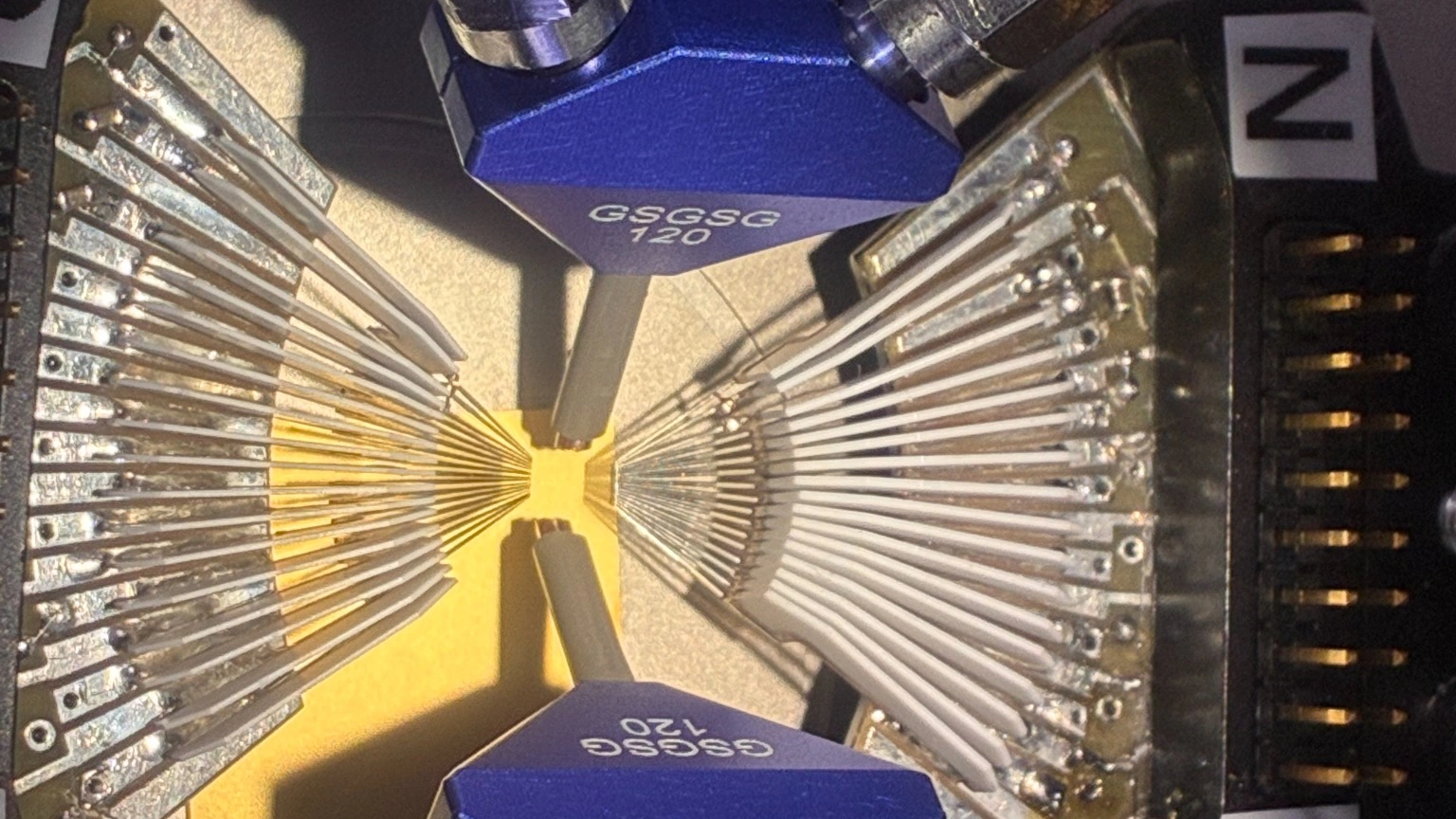
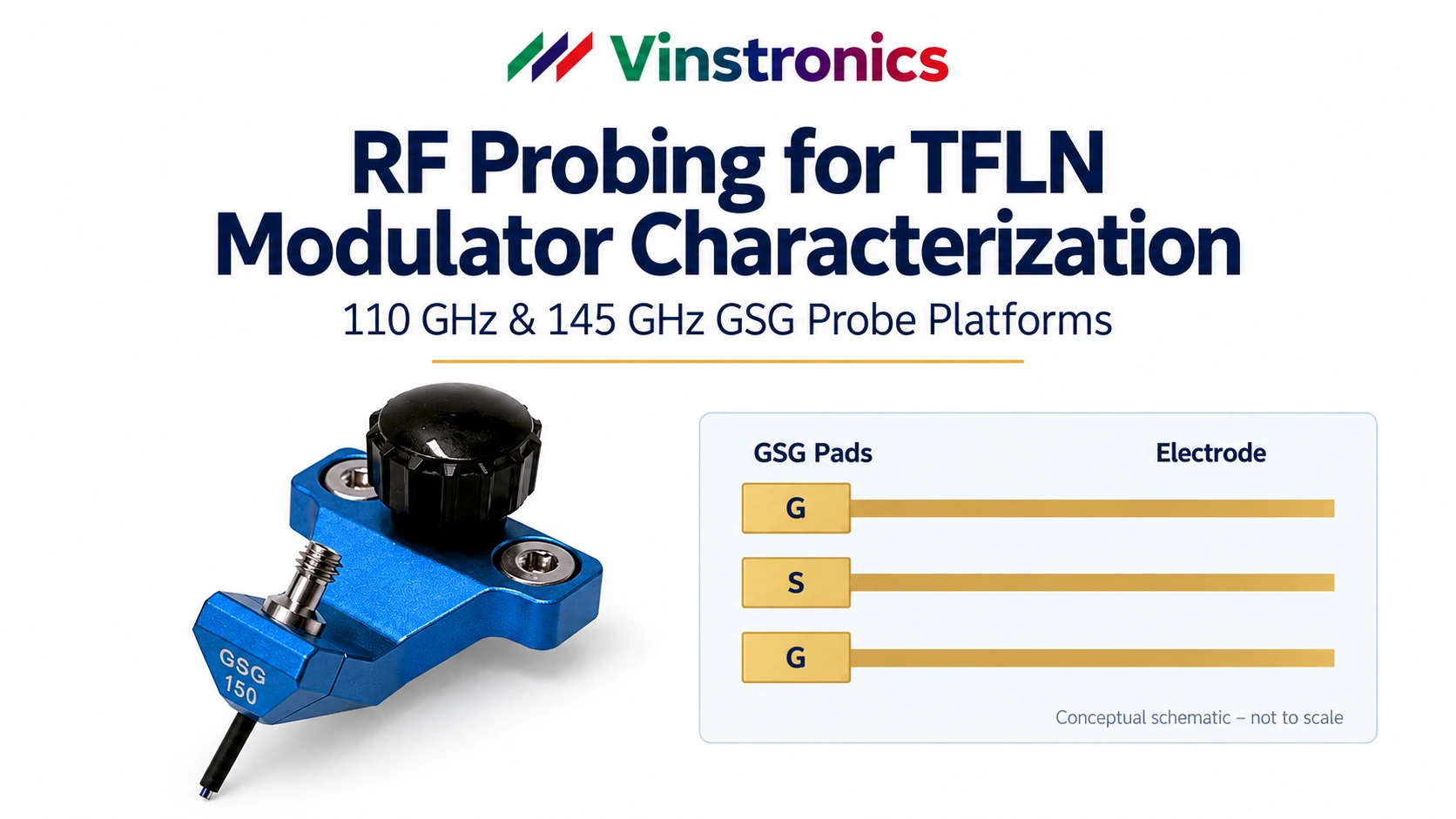
High-frequency RF probes are indispensable tools in the field of electronic testing and measurement, playing a critical role in the development and testing of RF products. This article provides a comprehensive overview of RF probes, including their definition, history, types, working principles, advantages, and how to select the appropriate RF probe.
What is RF Probe
An RF probe is a precision instrument used to measure the characteristics of RF components at the wafer level. It allows for accurate signal probing and measurement in high-frequency and microwave domains, which is crucial for the development, validation, and production testing of RF products.
History
The journey of RF probe began in the early 1980s with the invention of the first high-frequency wafer probe by Reed Gleason and Eric Strid at Tektronix. This innovation provided a convenient method for testing Monolithic Microwave Integrated Circuits (MMICs) without the need for packaging or bonding. Since then, RF probe technology has seen remarkable progress, evolving to meet the demands of various applications, including impedance matching in high-frequency and high-temperature environments, multi-port, differential and mixed-signal measurements, high-power measurements, and terahertz applications.
Types of RF Probes
Vinstronics, a leading RF microwave supplier, offers a variety of RF probe types to accommodate different testing needs:
- GS RF Probes: Consist of Ground and Signal transmission lines.
- GSG RF Probes: Feature two Ground transmission lines and one Signal line, configured as Ground-Signal-Ground.
- GSSG RF Probes: Have four transmission lines configured as Ground -Signal-Signal- Ground.
- Differential Adjustable Pitch Probes: Designed for applications requiring precise pitch adjustments.
These probes are designed to establish a suitable transmission line interface to instruments like VNA and Load pull systems for the wafer level testing of the IC circuit .

Working Principles
RF probes work by transmitting signals from a three-dimensional medium (coaxial cable or rectangular waveguide) to a two-dimensional (coplanar) probe contact. This process requires careful management of the characteristic impedance (Z0) of the transmission medium and the correct conversion of electromagnetic energy between different propagation modes. The probe tip, which makes contact with the Device Under Test (DUT), can adopt different design concepts, introducing discontinuities into the measurement signal path and generating higher-order propagation modes.
Advantages
RF probes offer several advantages, including:
- Improved measurement accuracy in high-end applications.
- Reduced testing costs for mainstream applications.
- Better contact repeatability compared to coaxial connectors.
- Facilitate accurate tip calibration and the development of standard and specialized calibration methods.

Selecting the Right RF Probe
When selecting an RF probe, consider the following factors:
Frequency Range: Ensure the probe can handle the frequency of the RF components being tested.
Impedance: The probe should match the impedance of the DUT to avoid signal reflection and loss.
Tip Design: Choose a probe with a tip design that provides reliable and repeatable contact with the DUT.
Durability: Select a probe with a durable construction to withstand repeated use and maintain accuracy over time.
Compatibility: Ensure the probe is compatible with the test equipment and fixtures being used.
By considering these factors, you can select the appropriate RF probe for your specific testing needs, ensuring accurate and efficient measurements in high-frequency applications.

Vinstronics is a leading RF microwave supplier, providing high-quality RF connectors, adapters, cable Assemblies, and high-frequency RF probes. Our extensive product line covers various frequency ranges and applications, ensuring that you find the perfect probe for your testing requirements. For more information or to discuss your specific needs, contact us today.